The 8-Minute Rule for Bed Bug Services
Table of Contents3 Easy Facts About Bed Bug Services ExplainedIndicators on Bed Bug Services You Should KnowAn Unbiased View of Bed Bug ServicesSome Known Questions About Bed Bug Services.
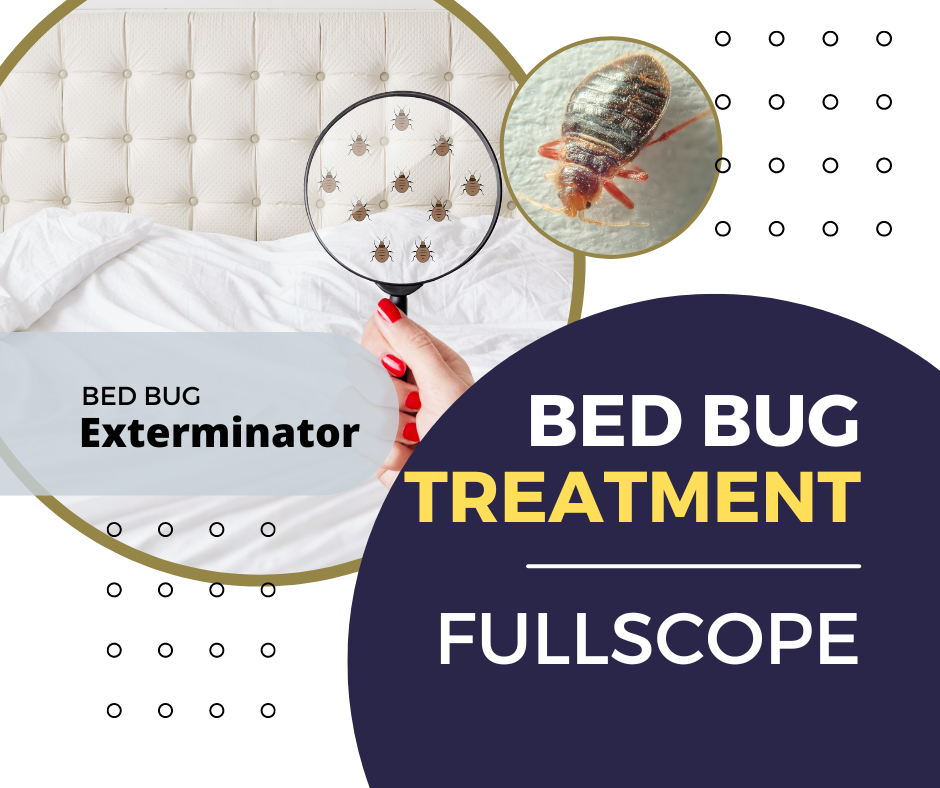
A professional bed bug inspection is a meticulous process and relies on expertise. Bed bugs are small, elusive, and adept at hiding that hide in narrow spaces, corners, and upholstery. Because of their stealthy behavior, a thorough inspection is essential to identify the full scope of the problem. Professional inspectors rely on specialized equipment, systematic procedures, and experience to locate pests effectively, stopping infestations from worsening.The first step in any professional inspection involves familiarizing oneself with the biology of bed bugs. Bed bugs belong to the order Hemiptera and undergo a life cycle that includes eggs, nymph stages, and adulthood. Adults are oval, flat, reddish-brown insects that lack wings and have long legs and antennae. Their mouthparts are designed to pierce skin and extract blood, producing skin irritation and visible marks. Knowing these traits guides professionals in locating infestations.
Early detection is critical for stopping the problem from spreading. Professionals search for telltale signs such as dark spots of fecal matter, molted skins, and eggs (Bed Bug Services). Female bed bugs are capable of laying hundreds of eggs, resulting in serious outbreaks. Evidence of discarded skins and eggs indicates active infestation and requires prompt inspection
Preparing for an inspection demands meticulous preparation. Inspectors often advise removing items that block access, which makes it easier to inspect furniture and wall edges. Bedding and linens may be washed in hot water and dried on high heat, and then secured until the inspection is complete. Wall decor, mirrors, and pictures are sometimes moved to inspect behind frames. Vacuuming furniture and floors can remove loose pests, and vacuum bags should be discarded carefully to avoid spreading.
An Unbiased View of Bed Bug Services
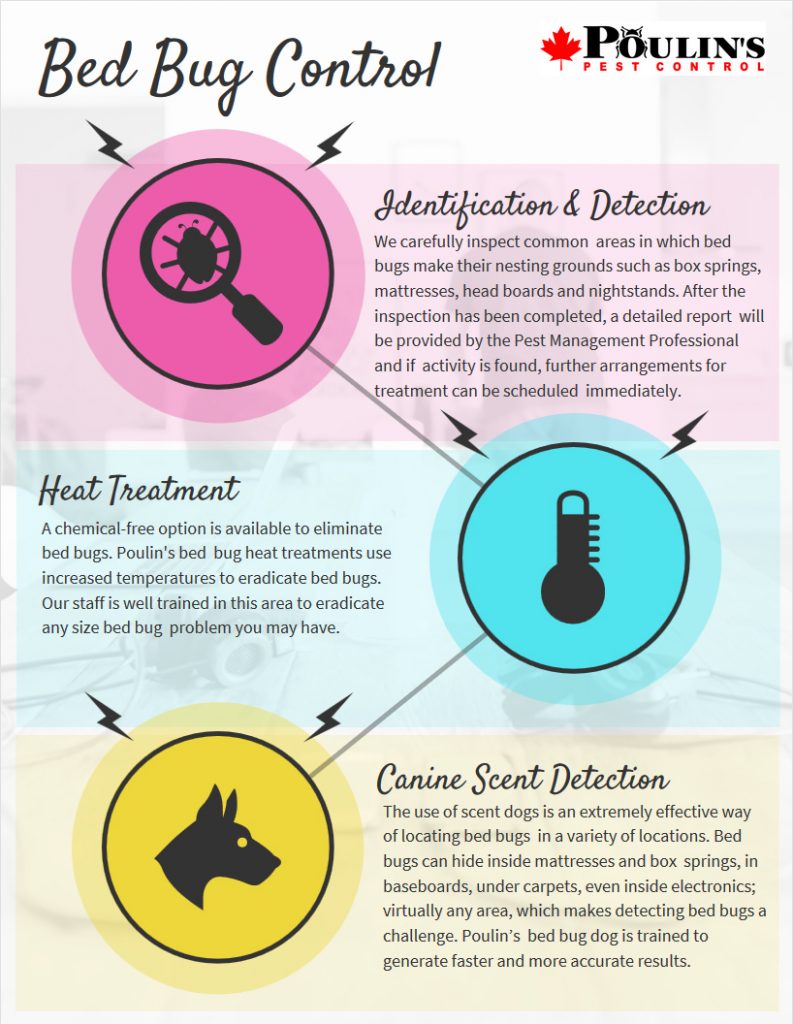
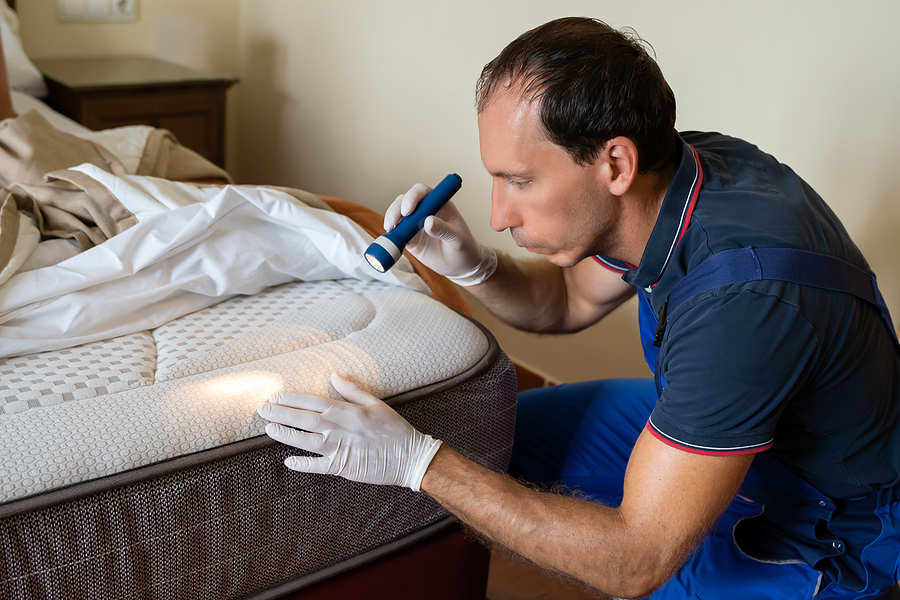
The inspection itself is systematic and thorough. Inspectors focus on Visit This Link sleeping areas like beds, headboards, and mattresses, checking seams, folds, handles, and crevices. Upholstered furniture, including seating furniture, is scrutinized to reveal any hidden pests. Baseboards, moldings, the edges of wall-to-wall carpeting, electrical outlets, closets, and storage areas receive detailed attention, as these can be key areas for infestation.
Specialized tools improve inspection effectiveness. Flashlights, magnifying lenses, multi-tools, and mirrors provide visibility in crevices and corners. Monitoring devices like interceptor traps or sticky pads help track bed bug activity over time. Some companies employ trained canines, which can locate live bed bugs quickly, distinguishing them from non-active traces.

Meticulous documentation is essential. Inspectors record the locations of evidence, severity of infestation, and treatment recommendations. This provides a reference for follow-ups and helps with client communication. Residents are often advised not to remove blood-stained sheets or vacuum infested areas, as this prevents loss of critical information.
After inspection, a monitoring plan may be recommended to verify infestations and observe trends. Continuous monitoring identifies surviving insects after treatment, and interviews with household members supplements physical inspection. Cooperation from residents ensures accuracy.
Bed Bug Services Can Be Fun For Anyone
Professional inspections offer a higher level of accuracy than DIY attempts. Trained inspectors spot subtle signs overlooked by untrained eyes, prevent misdiagnosis, and confirm the situation accurately.
Bed bug inspections are particularly important in hotels, dormitories, multi-unit apartments, and senior living facilities. Inspectors check neighboring rooms and shared spaces to identify potential spread (Bed Bug Services). This stops further spread
In summary, a professional bed bug inspection requires knowledge of bed bugs, property preparation, careful examination, tool utilization, record-keeping, and follow-up monitoring. Each step contributes to accurate detection, effective treatment planning, and long-term prevention.
Not known Incorrect Statements About Bed Bug Services